+8613706519013
 BHC Polymer Additives Co., Ltd / Shanghai Crystal Wells Chemical New Materials Co., Ltd.


Tackifying Resins

Tackifying Resins
C5-100 — a C5/C9 copolymer resin that holds uncured rubber layers together
Before a multi-layer rubber product is cured, its layers have to stay put — tire plies, hose windings, and belt constructions all depend on the uncured compound having enough "green tack" to hold together through assembly. Tackifying resins deliver that tack, giving cleaner assembly and fewer defects before cure even begins.
C5-100 is a petroleum resin made by copolymerizing C9 components with aliphatic hydrocarbons, offering good compatibility with common elastomeric and thermoplastic systems including EVA, SBS, and SIS.
Technical Specifications
| C5-100 | |
|---|---|
| Composition | Petroleum resin from copolymerization of C9 components with aliphatic hydrocarbons |
| Appearance | Light yellow particles |
| Softening Point (ring-and-ball) | 95–105°C |
| Heating Loss | ≤0.2% |
| Packing / Storage | 25 kg composite paper bag; store dry and dark, avoid temperatures above 40°C |
Where C5-100 Is Used
Rubber processing aid
Used to build and hold green tack between uncured rubber layers during tire, hose, and belt assembly, before vulcanization locks the construction together.
Hot melt and solvent-based adhesives
Its good compatibility with EVA, SBS, and SIS makes it a common tackifying resin in hot melt and solvent-based adhesive formulations outside of rubber compounding.
Coatings and cavity protection
Also used in coatings, varnishes, and cavity protection formulations where the same tackifying and compatibility properties are needed.
Frequently Asked Questions
1. Does tackifying resin affect the final cured properties of the rubber?
Tackifying resins are dosed to build assembly tack in the uncured compound; getting the dosage right matters, since too much can affect final hardness and other cured properties. Our technical team can advise on dosage for your specific formulation and application.
2. Why does softening point matter when choosing a tackifying resin?
Softening point affects how the resin behaves at your mixing and assembly temperatures. C5-100's 95–105°C softening point should be matched against your processing temperature to get the tack behavior you're expecting.
3. Is C5-100 only used in rubber compounding?
No — while it functions as a processing aid in rubber, it's also widely used as a tackifying resin in hot melt and solvent-based adhesives, and in coatings, varnishes, and cavity protection formulations, thanks to its compatibility with EVA, SBS, and SIS.
4. What storage precautions does C5-100 need?
Store it in a dry, dark location and keep storage temperatures below 40°C — exceeding this can affect the resin's softening point and performance before it's even used.
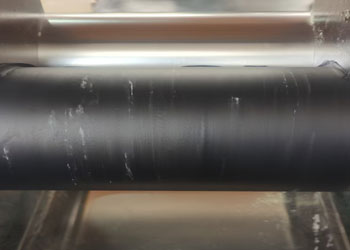
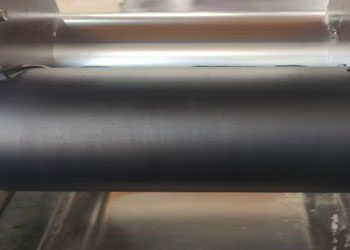
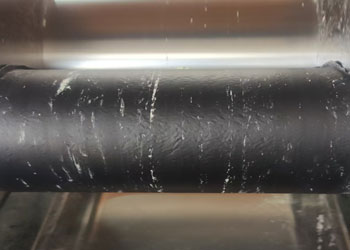
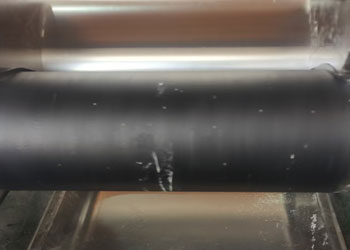
Comparison of roll kneading performance with powder products
Comparison of roll kneading performance with powder products |
| 10 seconds later | 30 seconds later | 60 seconds later | |
| MASTERBATHCES | 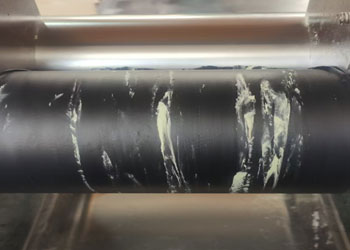 |
 |
 |
| POWDER | 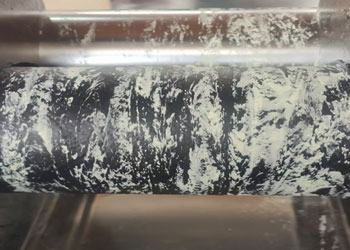 |
 |
 |