+8613706519013
 BHC Polymer Additives Co., Ltd / Shanghai Crystal Wells Chemical New Materials Co., Ltd.

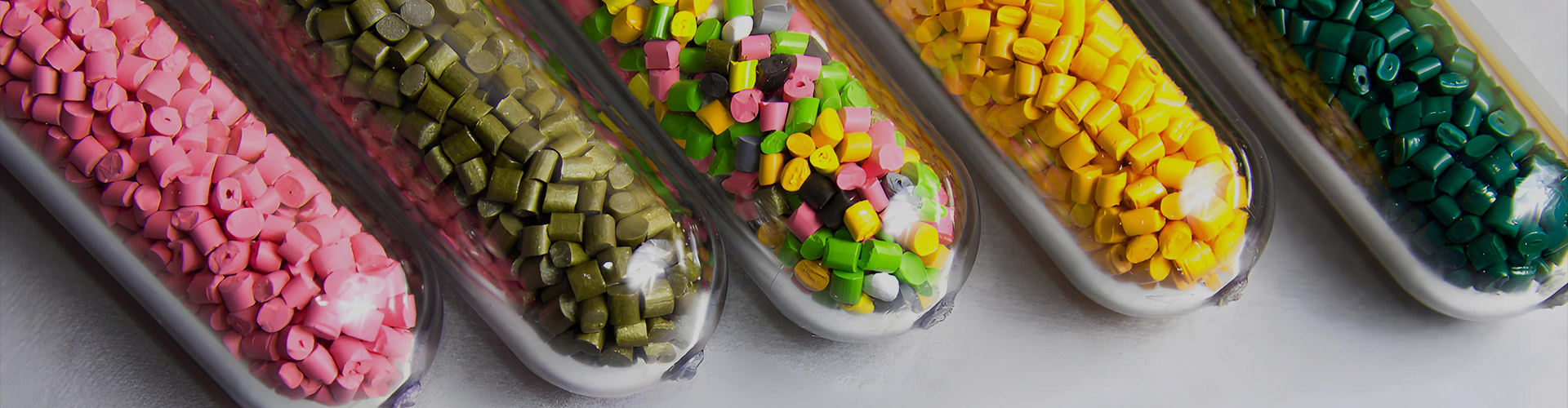
Rubber Accelerator


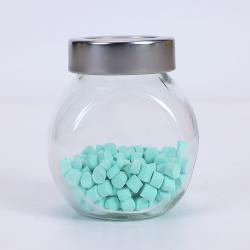
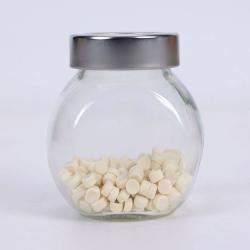
Pre-dispersed Rubber Accelerators
Rubber accelerators control the rate and mechanism of vulcanization, directly shaping cure time, scorch safety, and the crosslink density that determines a compound's final mechanical properties. Our pre-dispersed accelerator masterbatches have the same active chemistry as conventional powder accelerators, blended into an EPDM or EVA carrier at a fixed, verified active content. This provides dust-free mixing room handling and consistent, repeatable dosing without altering the underlying cure chemistry.
The range spans eight chemical classes — thiurams, thiazoles, sulfenamides, dithiocarbamates, thioureas, guanidines, an adhesion agent, and vulcanizing agents — so cure profiles from ultra-fast to strongly delayed-action can all be sourced from a single supplier.
Rubber Accelerator Range by Chemical Class
| Chemical Class | Grade | Active Content | Key Characteristics |
|---|---|---|---|
| Thiurams | TMTM (TS)-80 | 80% | Secondary/booster accelerator with moderate activity; common in NR, SBR, and IIR systems |
| TBzTD-70 | 70% | Ultra-accelerator used where nitrosamine-free formulations are required | |
| TMTD (TT)-80 | 80% | Ultra-fast primary/secondary accelerator; also acts as a sulfur donor at higher loadings | |
| DPTT-70 | 70% | Sulfur-donor thiuram; supports low-bloom, low-compression-set compounds | |
| TETD-80 | 80% | Fast-curing accelerator, widely used in latex and thin-section goods | |
| Thiazoles | MBT (M)-80 | 80% | Classic general-purpose primary accelerator with moderate cure rate |
| MBTS (DM)-75 | 75% | Delayed-action alternative to MBT with improved processing safety; used as primary or secondary accelerator | |
| MTT-80 | 80% | Specialty thiazole-type accelerator for select NR/SBR compounds | |
| Sulfenamides | CBS (CZ)-80 | 80% | Industry-standard delayed-action primary accelerator; strong scorch safety margin for tire and general goods |
| TBBS (NS)-80 | 80% | Delayed-action accelerator with excellent processing safety; common in tire tread and carcass compounds | |
| NOBS-80 | 80% | Delayed-action accelerator comparable to CBS/TBBS, offering good scorch delay | |
| Dithiocarbamates | ZDBC (BZ)-80/75 | 80% / 75% | Ultra-fast, low-temperature curing; widely used in latex and thin articles |
| ZDEC (EZ)-80/75 | 80% / 75% | Ultra-fast accelerator, a mainstay of latex compounding | |
| ZDMC (PZ)-80 | 80% | Very fast-curing; frequently used as a secondary/booster accelerator | |
| Thioureas | ETU (NA-22)-80 | 80% | Primary accelerator for polychloroprene (CR) and CSM; subject to strict handling and regulatory requirements in many regions |
| Guanidines | DPG (D)-80/75 | 80% / 75% | Secondary/basic accelerator, typically paired with a sulfenamide or thiazole to boost cure rate |
| Adhesion Agent | HEXA (H)-80 | 80% | Methylene donor used in resin cure and RFL-type rubber-to-fabric or rubber-to-steel adhesion systems |
| Vulcanizing Agent | S-80 | 80% | Standard sulfur vulcanizing agent, pre-dispersed for dust-free handling |
| IS60-80 | 80% | Insoluble sulfur, 60% insoluble fraction; reduces bloom during storage and processing | |
| IS-90/G | 90% | High-insoluble-sulfur grade, oil-treated for improved dispersion and reduced dusting | |
| DTDM-80 | 80% | Sulfur donor for low-bloom, heat-resistant, reduced-sulfur cure systems |
Selection Guide: How to Choose the Right Accelerator
By cure speed
Sulfenamides give the widest scorch safety margin with a delayed cure onset. Thiazoles sit in the middle. Thiurams and dithiocarbamates are the fastest-curing classes and are commonly used as secondary or booster accelerators alongside a primary sulfenamide or thiazole.
By polymer system
NR and SBR compounds typically use sulfenamide or thiazole primaries with a guanidine or thiuram booster. CR (polychloroprene) systems generally rely on a thiourea, such as ETU. Latex compounding leans on the fast-curing dithiocarbamates.
By sulfur source
Standard sulfur (S) suits most general compounds. Insoluble sulfur (IS60, IS90/G) is preferred where bloom resistance during storage or processing is a concern. DTDM works as a sulfur donor in low-bloom, reduced-sulfur cure systems.
Combination systems
Most production compounds use a primary/secondary combination — for example, CBS plus DPG, or MBTS plus TMTD — to balance scorch safety, cure rate, and crosslink density. Our technical team can help recommend a combination for your target cure curve.
Frequently Asked Questions
1. What do the different active content numbers (80, 75, 70) mean?
The number indicates the percentage of active accelerator chemistry in the pre-dispersed masterbatch, with the remainder made up of the EPDM or EVA carrier. A lower active content (e.g., 70% vs. 80%) means a higher dosage by weight is needed to deliver the same amount of active chemistry.
2. How do I choose between CBS, TBBS, and NOBS — they're all sulfenamides?
All three offer delayed-action cure with a good scorch safety margin and are largely interchangeable in many formulations. The choice usually comes down to specific plant experience, minor differences in cure rate, and cost rather than a fundamental performance gap — our technical team can advise based on your existing cure data.
3. What's the difference between IS60 and IS90/G insoluble sulfur?
The number refers to the insoluble sulfur fraction — IS90 contains a higher proportion of the heat-stable, bloom-resistant form than IS60. The "G" designation indicates an oil-treated grade for improved dispersion and dust control. Higher insoluble-sulfur grades are generally chosen when bloom resistance is a higher priority.
4. Why is HEXA classified under accelerators rather than adhesive additives?
HEXA (hexamethylenetetramine) is grouped here because it functions as a methylene donor within the cure chemistry of resin bonding systems, working alongside the accelerator package rather than as a standalone adhesive.
5. Can I combine thiurams or dithiocarbamates with a primary accelerator?
Yes — this is standard practice. Thiurams and dithiocarbamates are most often used as secondary accelerators to boost cure rate and crosslink density on top of a primary sulfenamide or thiazole, rather than as the sole curing agent.
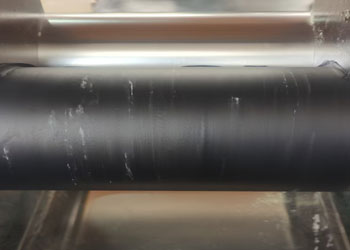
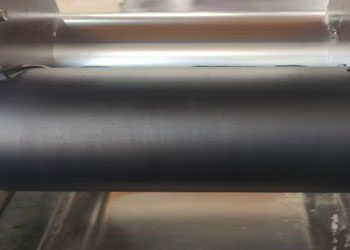
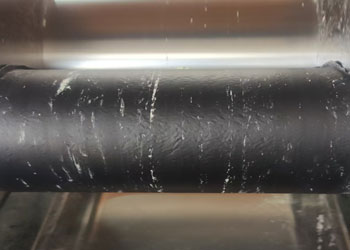
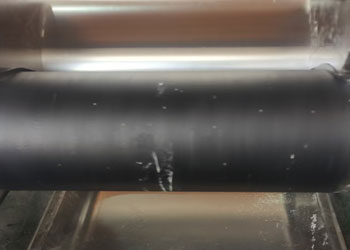
Comparison of roll kneading performance with powder products
Comparison of roll kneading performance with powder products |
| 10 seconds later | 30 seconds later | 60 seconds later | |
| MASTERBATHCES | 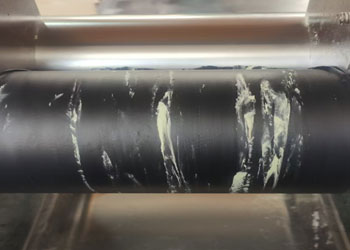 |
 |
 |
| POWDER | 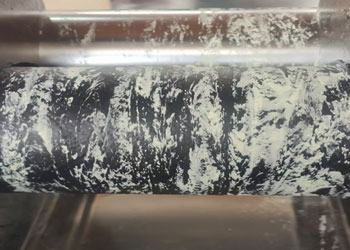 |
 |
 |